
European Commission Proposes Historic Legislation to Ban Social Media for Children Under 13

Table of Contents:
Comprehensive Legislative Framework and New Digital Realities
The European Commission has officially unveiled a landmark legislative proposal designed to fundamentally reshape the digital landscape and protect minors from the well-documented harms of excessive screen time and digital addiction. Under the newly introduced regulatory framework, children under the age of 13 will be completely barred from holding independent profiles on major social media platforms.
Furthermore, the proposal stipulates that absolute independent account creation will be legally restricted until a user reaches 15 years of age. This sweeping initiative represents one of the most aggressive and comprehensive regulatory efforts undertaken by a major global governing body to safeguard the psychological well-being of the younger generation.
-
Strict Age Tiering and Parental Control: Minors aged between 13 and 15 will only be granted access to social networking platforms through specialized, highly supervised accounts that must be created, monitored, and directly managed by parents or legal guardians.
-
Mandatory Daily Time Limits: For all accounts belonging to minors under 15, the maximum allowable duration of daily engagement with these digital platforms will be strictly capped at one hour per day, ensuring that technology serves as a controlled tool rather than a dominating habit.
-
Specialized Content for Youngest Children: Children under 13 will be entirely restricted to viewing curated, specialized educational and video content exclusively through parental accounts, also limited to a strict maximum of one hour per day.
Expanding Scope: Video Platforms, Online Games, and AI Chatbots
Crucially, these strict regulations extend far beyond traditional social media networks. The European Commission's proposal explicitly encompasses video-sharing platforms, interactive online multiplayer video games, and sophisticated artificial intelligence chatbots. Regulators have expressed deep concern over the psychological attachment children form with modern conversational AI. Under the new rules, artificial intelligence chatbots will be legally prohibited from imitating friendly, romantic, or deeply personal relationships in any manner designed to foster emotional dependency in a child.
Additionally, by default, these chatbots will be banned from transferring contextual information and memory from previous conversations into subsequent sessions, thereby protecting children's personal boundaries, privacy, and mental stability. Major technology corporations and online service providers will now bear the absolute legal burden of proactively proving that their digital products and upcoming features are entirely safe for children prior to official launch.
Statistical Insights, Public Opinion, and Global Context
The intense political momentum behind this legislation is directly fueled by overwhelming public demand and critical sociological data collected across the continent:
-
Eurobarometer Survey Findings: A comprehensive Eurobarometer survey conducted between February and March 2025 revealed an astonishing public consensus: over 90% of European citizens consider the rigorous protection of children in the digital environment to be an urgent, non-negotiable priority. The overwhelming majority of respondents specifically pointed to the toxic psychological pressure, algorithmic manipulation, and negative impacts associated with unregulated social media consumption.
-
Global Precedents: Europe is drawing direct inspiration from bold international measures. In December 2025, Australia became the first nation in the world to implement a historic nationwide ban on social media access for all users under 16 years of age, setting a powerful global benchmark for lawmakers worldwide.
Top European leaders have championed this cause from the very top. European Commission President Ursula von der Leyen previously instructed an expert working group to formulate robust restrictions, noting the shared anxiety experienced by modern parents. Similar legislative bans were heavily advocated by Danish Prime Minister Mette Frederiksen and French President Emmanuel Macron. As this ambitious bill moves forward through the European Parliament and the Council of the European Union, it signals a monumental shift toward holding tech giants fully accountable for the digital health of children.
Leave a Comment
Comments
No comments yet. Be the first to comment!
You may also like

Meta Expands Ecosystem with Comprehensive Meta One Subscriptions and Advanced Artificial Intelligence Integration
16-09-2026
Rating: 0 | Views: 436 | Reading time: 6 min
Read →
Barron Trump May Chair TikTok's Board of Directors
15-10-2025
Rating: 0 | Views: 3750 | Reading time: 3 min
Read →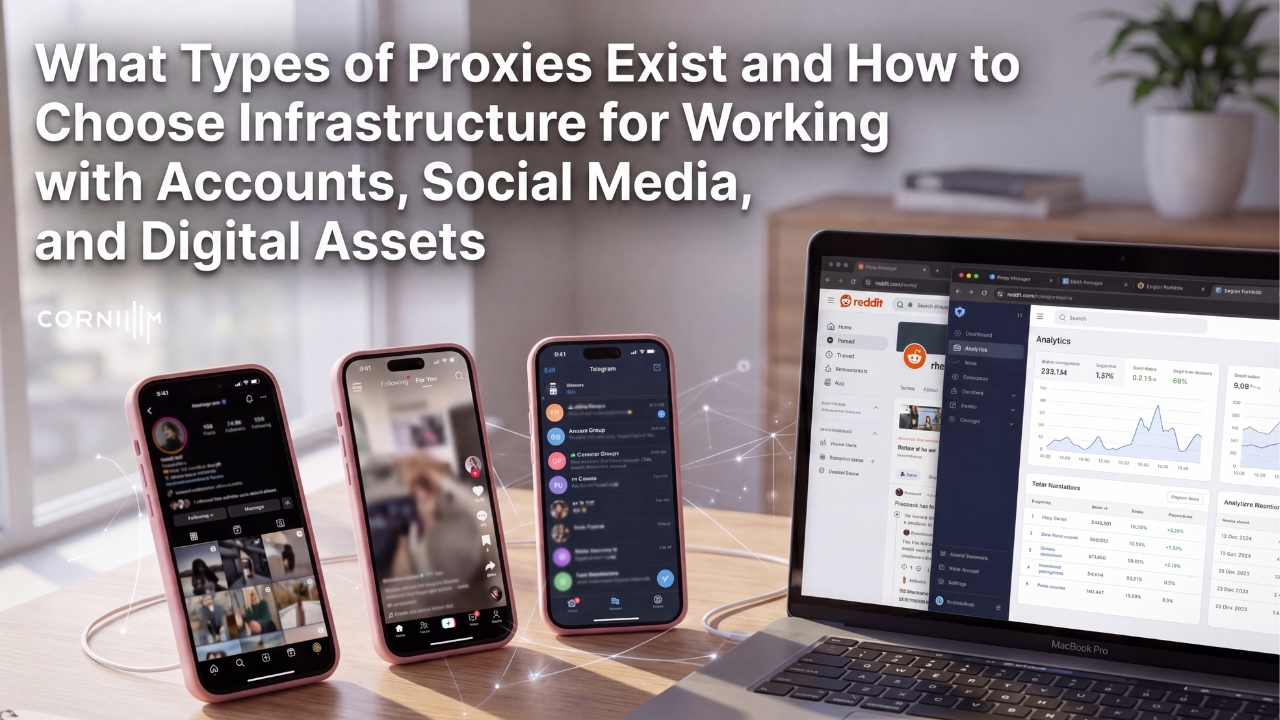
Types of Proxies and How to Choose Infrastructure for Working with Accounts, Social Networks, and Digital Assets
12-05-2026
Rating: 0 | Views: 768 | Reading time: 12 min
Read →
How Google AI Integrates Facebook, Instagram, and TikTok Into Search Queries
04-09-2026
Rating: 0 | Views: 416 | Reading time: 4 min
Read →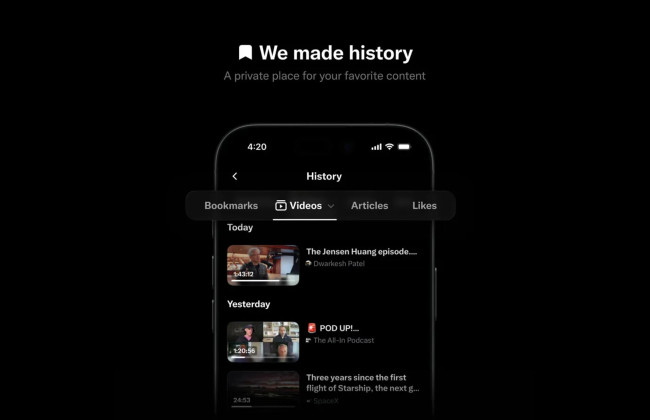
X Launches "History": Platform Centralizes Likes, Videos, and Articles in One Hub
15-05-2026
Rating: 0 | Views: 811 | Reading time: 5 min
Read →